SHOT PEENING Technical Information   Additional Information  
 

Benefits of Shot Peening
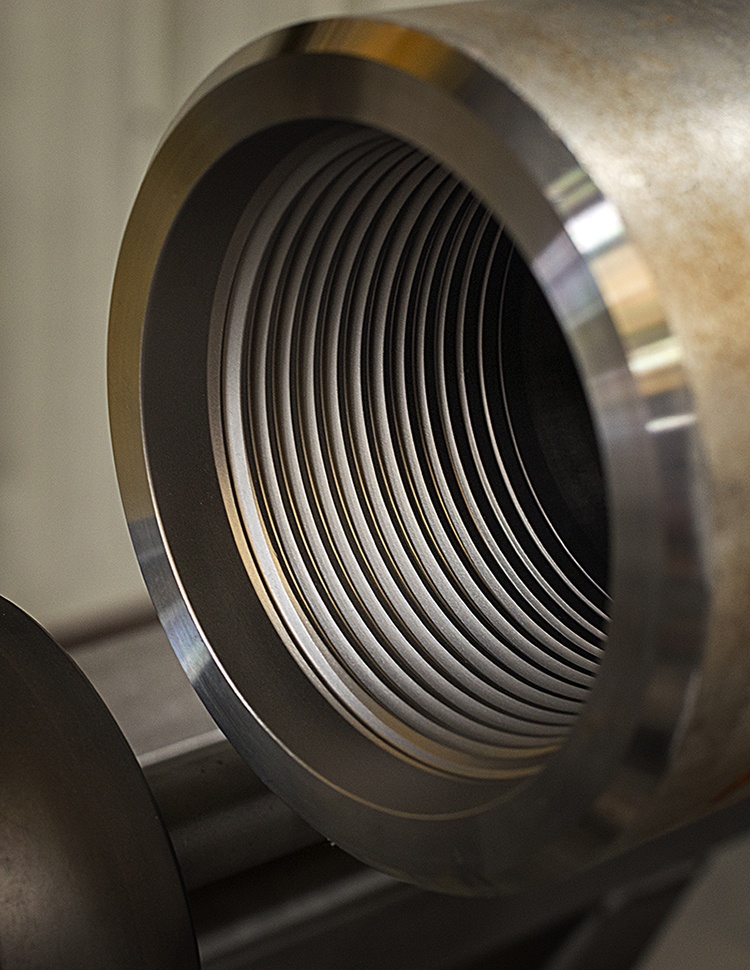
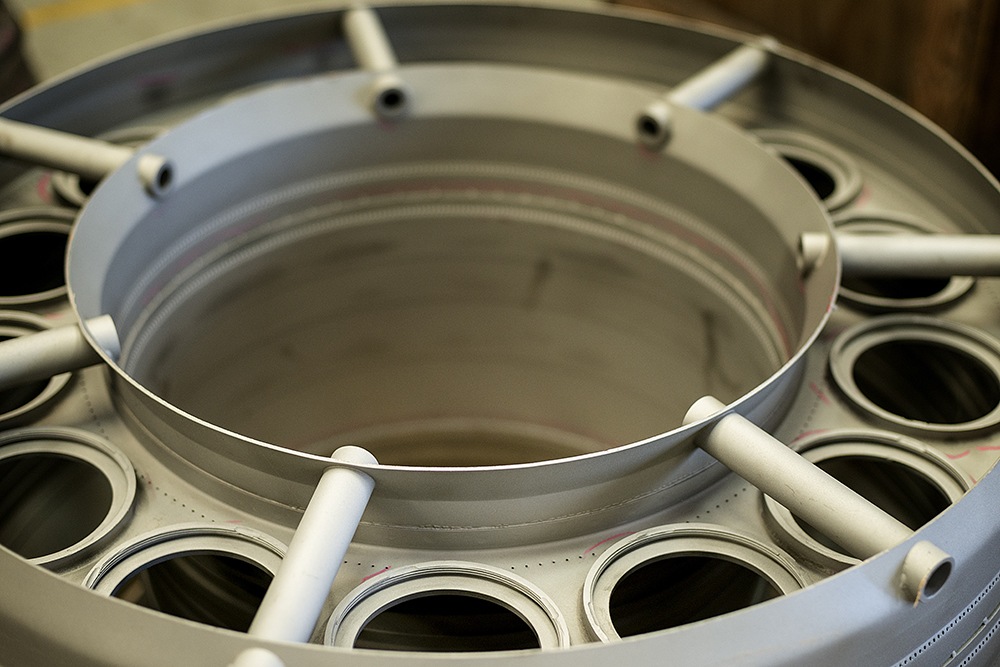
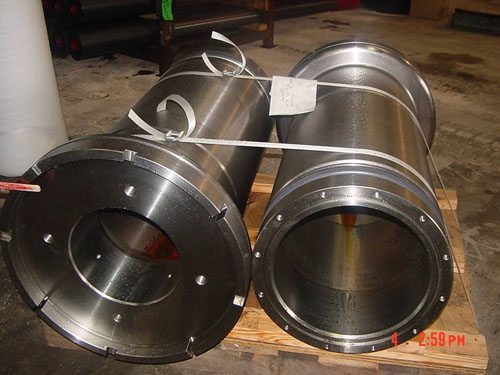
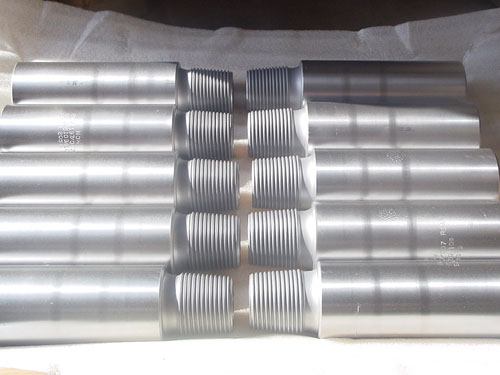
Shot peening is used in a wide variety of industries on an even wider variety of parts. Parts typically shot peened include: crankshafts, gears, torsion bars, springs, valves, exhaust manifolds, blades, discs, turbines, compressors, marine rudders, axles, hammers and anvils, bicycle frames, landing gear, boat hulls, drill bits, and pipeline. Depending on the specific part, shot peening can accomplish all of the following:

  • Increases fatigue strength
  • Prevents cracking due to wear, hydrogen embrittlement, corrosion and stress
  • Enhances lubricity by creating small pores in which lubricants can accumulate
  • Prevents fretting
  • Prevents galling
  • Creates a uniformly textured, finished surface ready for immediate use or for paint and coatings
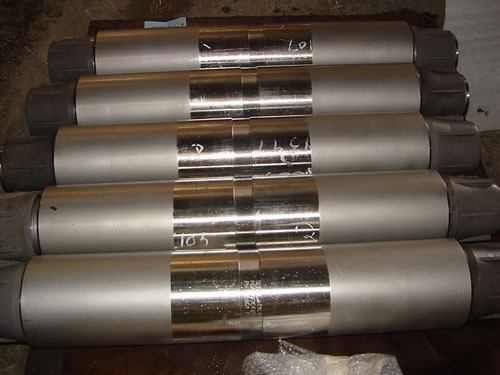
  • Can be used to curve metal or straighten shafts without creating tensile stress. This process is known as Peen forming
  • Can permit the use of very hard steels by reducing brittleness
  • Will close up surface porosity in coatings
  • Allows for the substitution of lighter materials without sacrificing strength and durability
  • Can increases spring life 400% to 1200%
  • Can increase gear life more than 500%
  • Can increases drive pinion life up to 400%
  • Can increases crankshaft life 100% to 1000%
  • Can increase the fatigue strength of damaged parts extending the wear and delaying replacement costs

If you have questions about the benefits shot peening can bring to your particular project, please contact us. Our Phd. Metallurgist and Mechanical Engineer will be happy to assist you in every phase of the project.

Other Shot Peening Uses
Shot peening has become useful for a variety of highly specialized applications. Our shot peening technicians are skilled in all of the following alternate specialized applications.

  • Flow Treatment of Pipe: Used primarily in the transport of polymer pellets used in the oil and gas industries. Polymer pellets will slide against the inside of a smooth pipeline, melt and form streamers or angel hair. These long polymer fibers will contaminate the pellet flow and clog up the transfer system. When the inside of pipeline is roughened by shot peening, the polymer pellets bounce or roll instead of sliding along the inside of the pipe. The pellets' contact with the side of the pipe is shortened, and formation of angel hair is prevented.
  • Peen Forming: Sheets of various metals can be shot peened into concave, convex or flat shapes. This shot peening application is especially prominent in the aerospace and automobile industries. Shot peening of automobile and aircraft has allowed the industeries, over the years, to reduce the weight of automobiles and airplanes by 30-50% saving (several hundred pounds). This, combined with the fatigue- and corrosion-resistance benefits of shot peening, makes peen forming a highly useful technique.
  • Straightening: Shot peening can return bent shafts back into tolerance, which will reduce waste or replacement costs
  • Search Peening: Corrosion is not always visible. Sub-surface corrosion is particularly common in areas directly surrounding metal fasteners, screws, nail, etc. Search peening is a technique in which small, problem areas are peened, and the hidden corrosion is exposed and eliminated. Search peening is preferable to many other corrosion removal methods because it actually strengthens the metal while removing the corrosion.

History of Shot Peening
Shot peening is not a new process. People have long known that pre-stressing or work-hardening metal could create harder and more durable metals. The process of peening was used in forging processes as early as the bronze age to strengthen armor, swords and tools. Gun barrels in the civil war were subject to peening to increase the hardness of Damascus steels, and the fillets of crankshafts in early European racecars were hand-peened with specially-made hammers by 1922.

Of course, peening has evolved substantially in the late 20th and early 21st centuries, but the general idea remains the same. Shot peening the material with thousands of tiny balls of high-velocity shot works in much the same way as peening with a hammer did in medieval times.

So why does pre-stressing of metal work? The atoms in the surface of a piece of manufactured metal will be under (mostly) tensile stresses left over from grinding, welds, heat treatments and other stressful production processes. Cracks promulgate easily in areas of tensile stress because the tensile stresses are already working to pull the atoms of the metal apart. By shot peening the material you introduce a layer of compressive stress by compacting the material.

As the shot peening is performed, the atoms on the surface of the metal become crowded and try to restore the metal's original shape by pushing outward. The atoms deeper into the metal are pulled toward the surface by their bonds with the atoms in the compressive layer. These deeper atoms resist the outward pull creating internal tensile stress that keeps the part in equilibrium with the compressive stress on the surface. Tensile stresses deeper in the part are not as problematic as tensile stresses on the surface because cracks are less likely to start on the interior.

For more about shot peening, select one of the following:

Overview  |  Technical Information  |  Photographs


For more information about Shot Peening, or other treatments offered by Superior Shot Peening, click on one of the following:


Click here for Coatings
     
  Copyright © 2006 Superior Shot Peening, Inc.
Website by HardLight Media
Main Page   |   About Us   |   Treatments   |   Coatings   |   Other Services   |   Contact Us