Superior Shot Peening & Coatings: Quality Service Delivered On Time
THE ONLY 24/7 One-Stop Shop in the Finishing Industry.
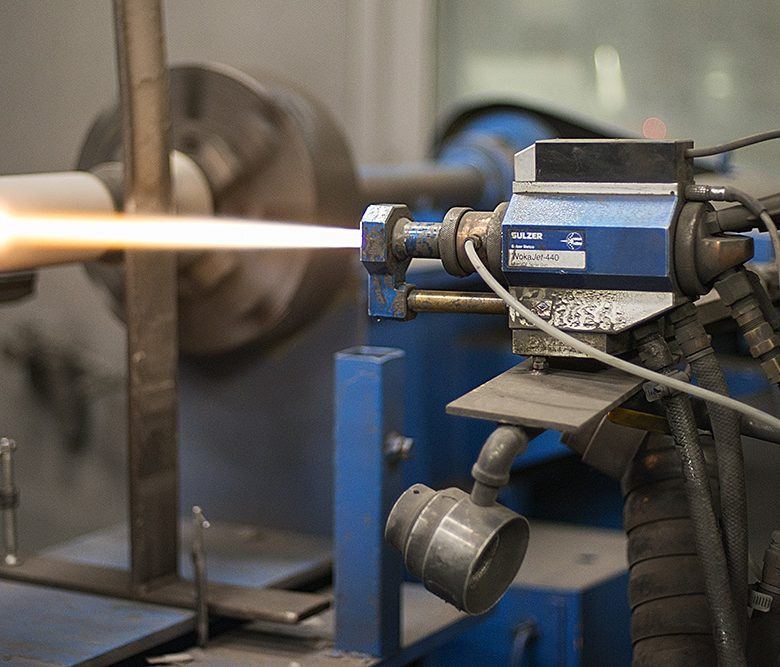
Premium Shot Peening & Coating Services
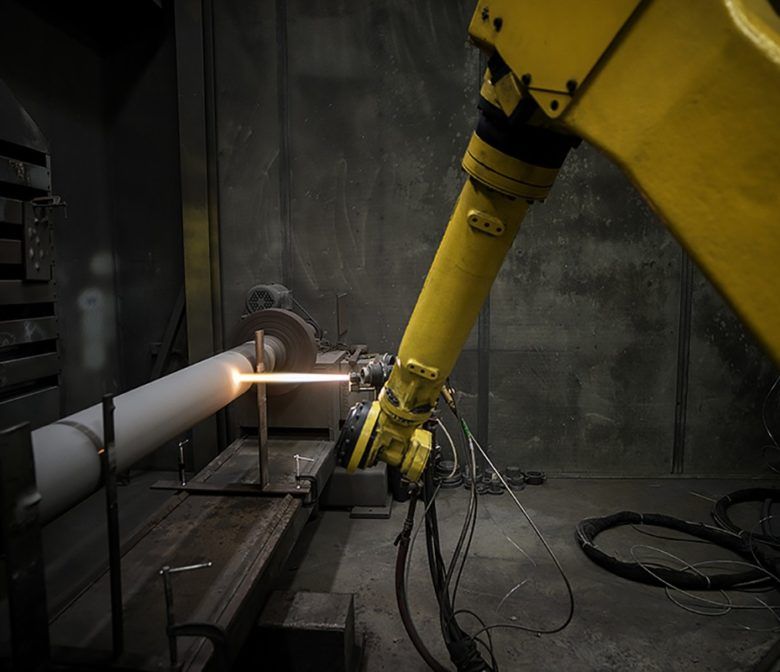
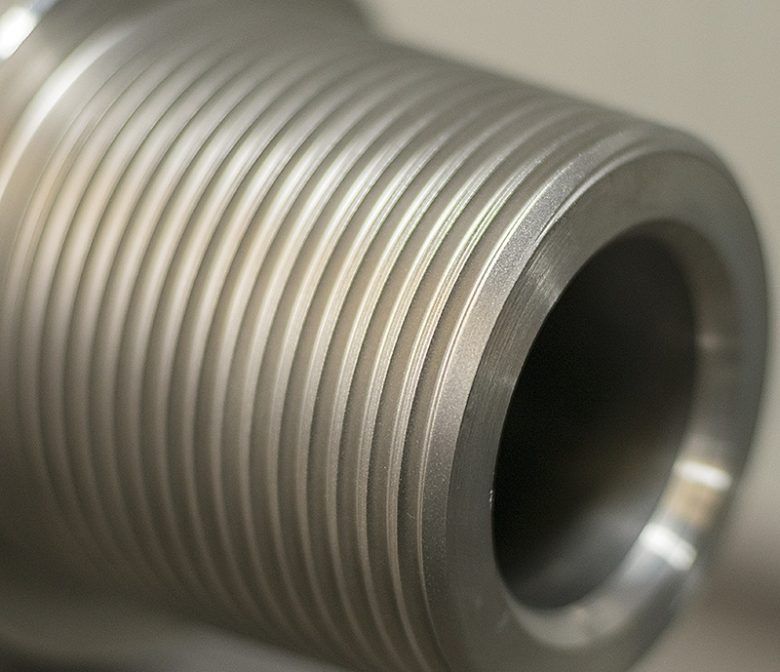
We set the bar for high-quality shot peening, coating, and finishing services. Our patented processes and 24/7 customer support ensure you will protect the commercial investment in your parts and get your project done on time.
Finishing & Coating Services
All of the finishing services you need in one state-of-the-art location. Available 24 hours a day, 7 days a week.
Metal Treatments
Protective Coatings
- Thermal Spray
- High-Velocity Oxygen Fuel
- High-Velocity Air Fuel
- Plasma Spray
- Liquid Coating
- Fluoropolymer Coating
- Metalizing/Hard Banding
- Exotic and ID Coatings
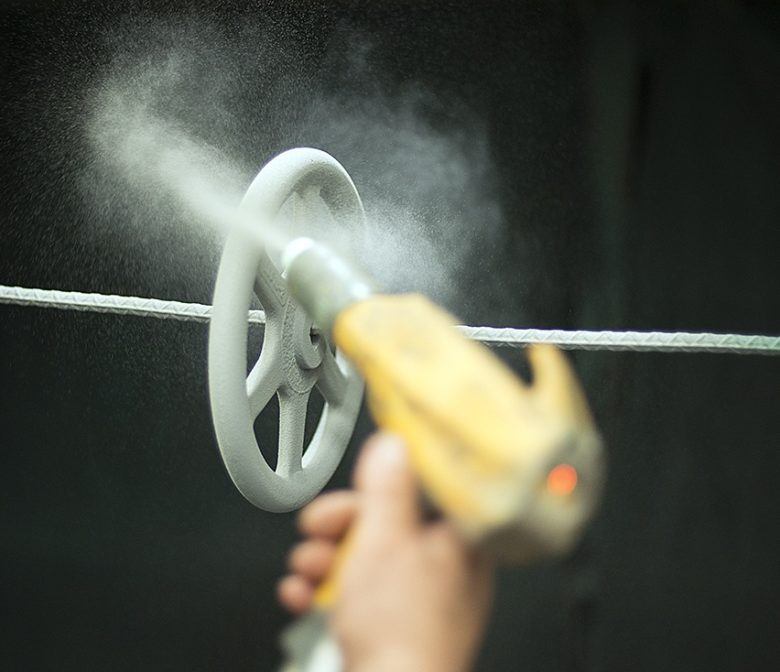
- Powder Coating
Additional Services
Customized Industry Solutions
Our patented finishing equipment and state-of-the-art labs are uniquely suited for each industry’s specific needs. Click on an industry below to learn more about our process.
24-Hour Turnarounds
Our facilities are open 24/7 to help you meet tight deadlines and end your project on time.
Patented Processes
Our competitors cannot match the metal strengthening results of our unique process.
Worldwide Service
As an international company, we have service locations around the world.
24/7 Support
We are committed to the success of your project and offer 24/7 customer support.