| |
Passivation
is a cleaning and corrosion-protection treatment appropriate for
a variety of machined metals. Although it is useful for many types
of metals, passivation is particularly popular as a method of cleaning
the impurities left on the surface of stainless steel after the
manufacturing process. During passivation, the steel or other metal
is treated with an acid solution which removes contaminants from
the metal surface and which coats the surface in a protective film.
Passivation lengthens the life of the metal without affecting its
physical appearance.
Semi-finished or finished parts are usually treated for passivation.
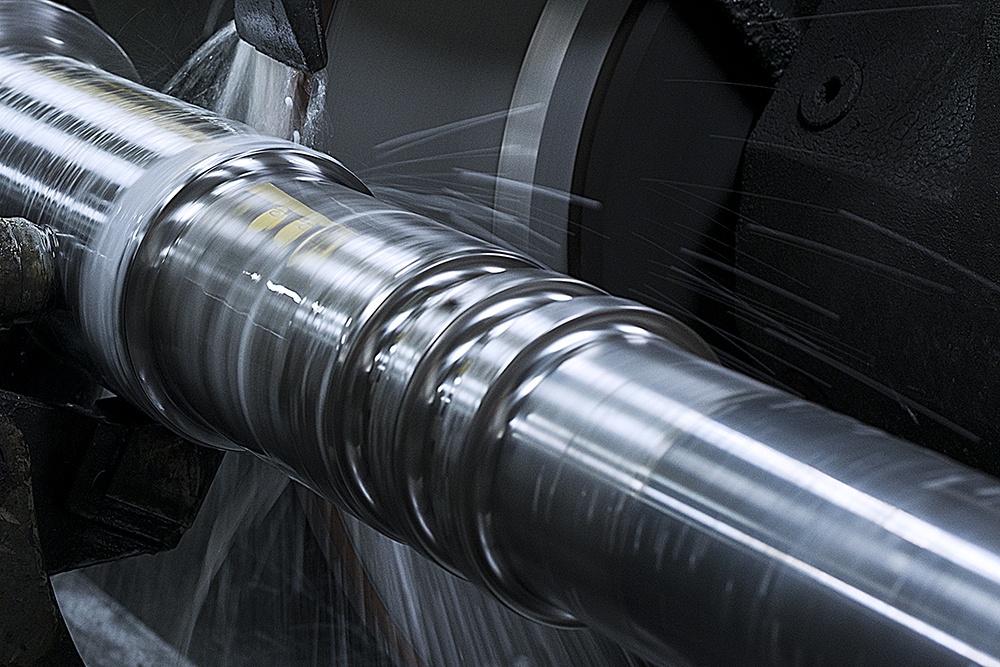
It is a usual practice to passivate parts after machining, grinding
or lapping. This is because during forming machining particles
of iron may be imbedded in or smeared on the surfaces of stainless
steel components. If allowed to remain the iron corrodes and often
gives the appearance of large or small rust parts on the stainless
steel. If the parts have flux or slag from welding or high-temperature
brazing they should be removed by chipping, brushing with stainless-steel
wire brush, grinding, or polishing with an iron-free abrasive.
When machining or grinding oils are to be removed. Cleaning should
begin with solvent cleaning which should be followed by an alkaline
soap cleaning and thorough water rinsing. Best results are obtained
in passivation when the parts are cleaned as thoroughly as possible. For more about
passivation, select one of the following:
Overview | Technical Information | Photographs
|
|
For
more information about Passivation, or other treatments offered
by Superior Shot Peening, click on one of the
following:
|
|